
Free Crochet Flower Pattern with Color Change Instructions
Bloom into creativity with this free crochet flower pattern and watch your colorful garden grow one petal at a time.
There's something magical about turning a simple strand of yarn into a beautiful flower that looks as if it grew right out of your hands. Crochet flowers are small, colorful, and full of charm, they can brighten up any space or accessory instantly. With soft petals formed by intricate loops and stitches, these tiny blossoms bring a touch of elegance and warmth to everything they adorn.
Easy Free Crochet Flower Pattern To Try Today
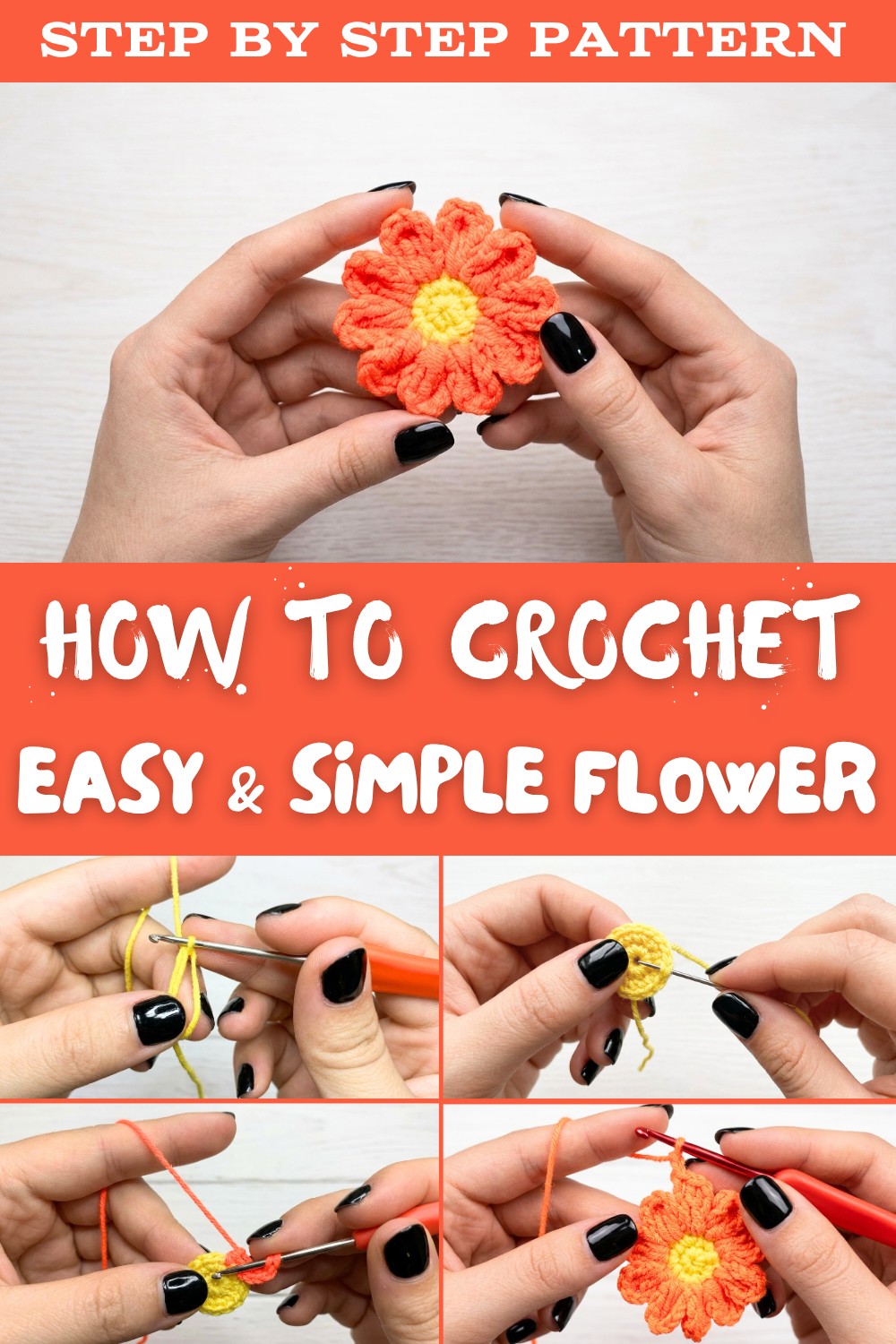
Whether it's a keychain, a gift topper, or even part of a larger project, their versatility makes them perfect for beginners exploring endless possibilities. This particular crochet flower pattern is easy to follow, starting with a magic ring-a great foundation for creating neat and compact designs.
The process involves making single crochets for the base, followed by delicate chain and double crochet clusters to form the petals. You'll also get to add pops of color by switching yarns, enhancing the overall vibrance of the flower. Best of all, the steps are repetitive and straightforward, allowing even absolute beginners to achieve professional-looking results.
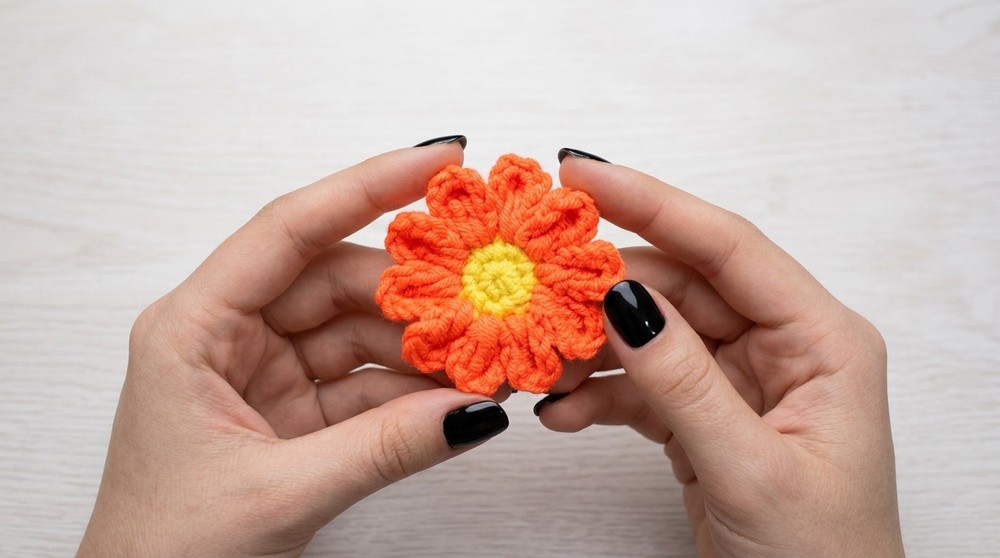
Crochet Flower Pattern (Cluster Petal Style)
Materials
- Yarn: Worsted weight (medium weight/#4) acrylic or cotton in two colors (Color A for center, Color B for petals)
- Crochet Hook: 3.5 mm-4.0 mm (E-G size), or size appropriate for your yarn
- Notions:
- Yarn needle (for weaving in ends)
- Stitch marker
- Scissors
Skill Level
Beginner to Intermediate
(Suitable for those comfortable working in the round and with basic increases)
Key Abbreviations (US Terms)
- mr: magic ring
- ch: chain
- sc: single crochet
- sl st: slip stitch
- dc: double crochet
- st(s): stitch(es)
- inc: increase (2 sc in one stitch)
Special Notes
- Use a stitch marker to track rounds.
- Petals are made with "V" clusters (2 dc, ch 3, 2 dc) separated by slip stitches.
- The flower center is tightly worked-pull magic ring closed securely.
- Pattern is written using US crochet terminology.
Pattern Instructions
Center (Color A)
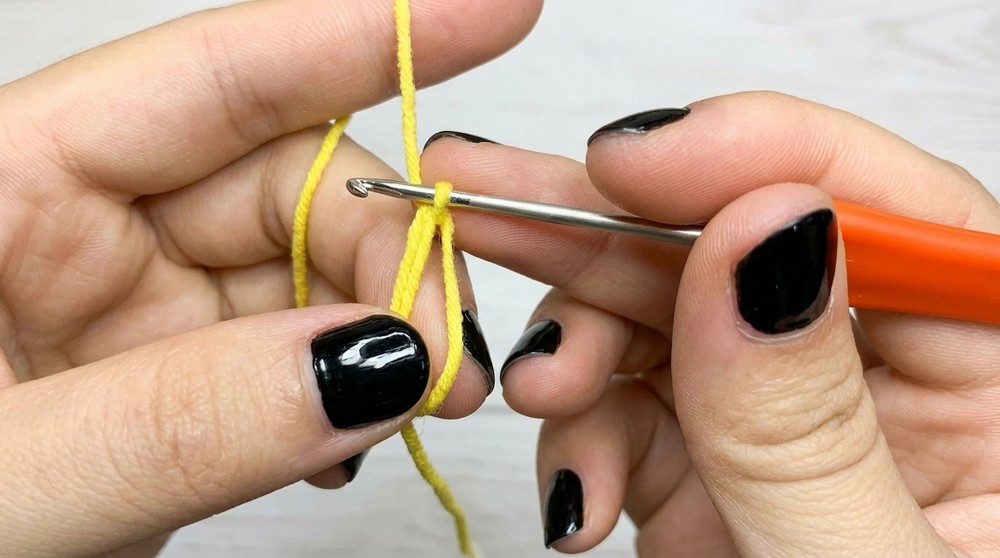
- Magic Ring:
Create a magic ring. - Round 1:
- Ch 1 (does not count as a stitch),
- Work 5 sc into the ring.
- Mark the first sc.
- Pull ring tight.
- Sl st into the first sc to join.
- Fasten off Color A if changing color.
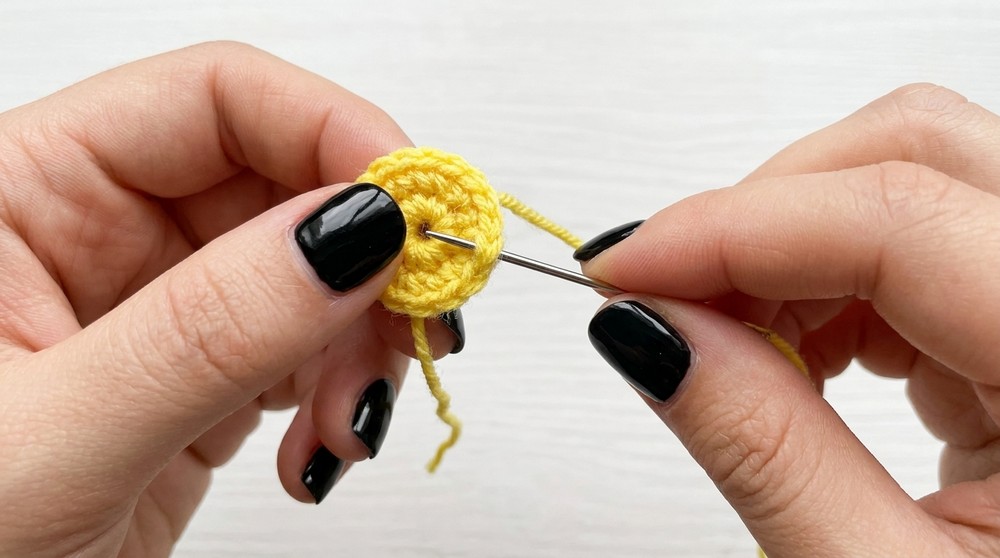
Round 2 (Increase Round):
- Join Color A (or continue).
- Ch 1
- 2 sc in each stitch around (inc into each st: total 10 sc).
- Mark first sc.
- Sl st to first sc to join.
- Fasten off and weave in ends.
Petal Rounds (Color B):
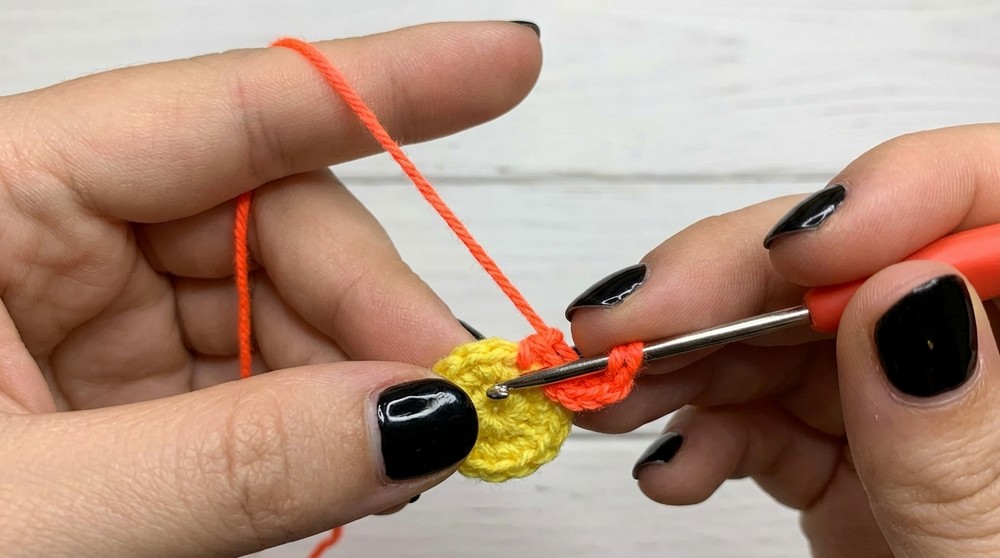
- Attach Color B:
- Make a slip knot with Color B, join at any stitch.
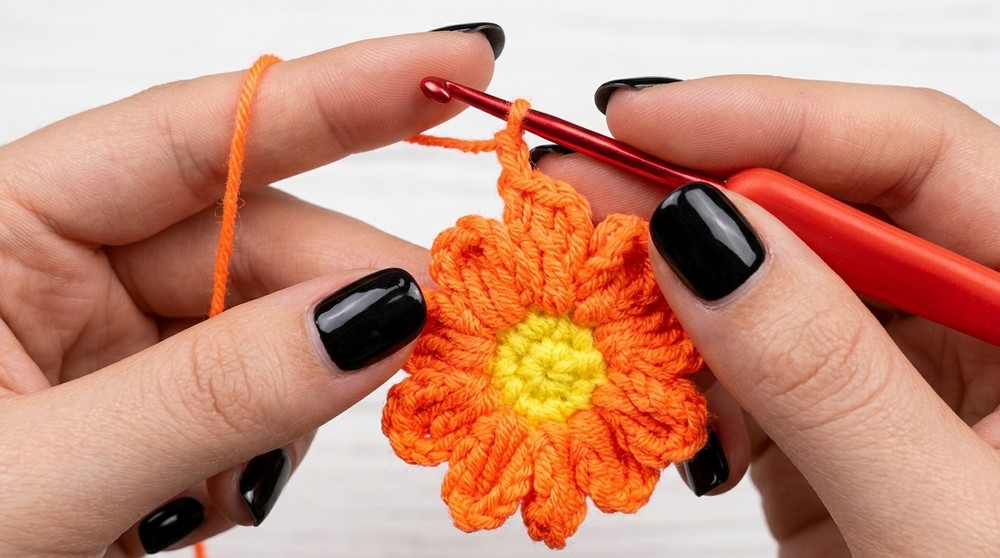
- Petal Pattern (Repeat in Each Stitch Across 10 Stitches):
- In the same stitch:
- Ch 3 (counts as first part of petal),
- 2 dc,
- ch 3,
- sl st in next stitch.
- Repeat for each stitch around (10 petals total):
- (Ch 3, 2 dc, ch 3, sl st in next st) around.
- After last petal, fasten off and weave in tail.
- In the same stitch:
Finishing
- Use a yarn needle to neatly weave in all yarn ends at the flower back.
- Shape petals gently if needed.
Conclusion
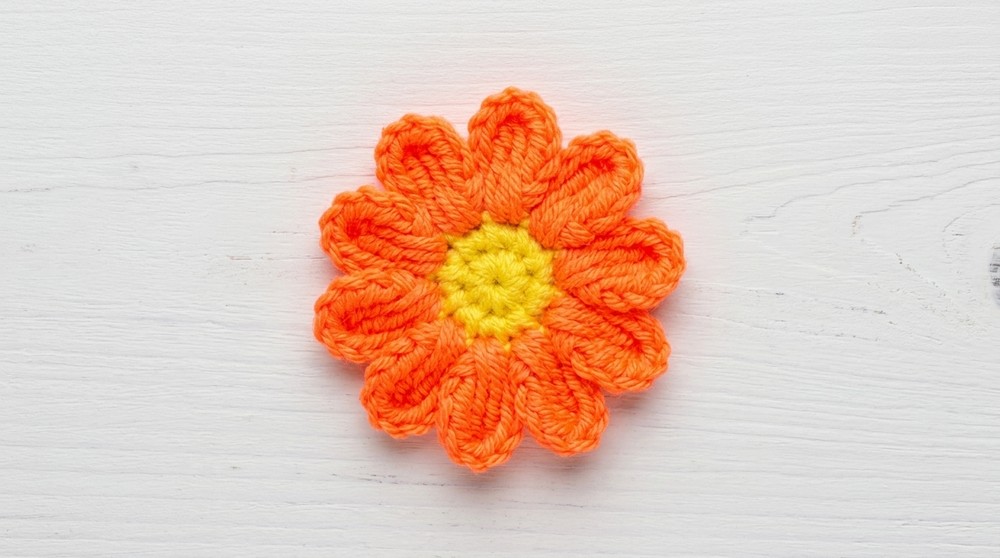
This crochet flower pattern features a classic center with increase, surrounded by ten decorative cluster ("V"-style) petals. The two-color approach gives it a crisp, delightful look, suitable for use as appliqués, brooches, hair clips, or for embellishing other projects.
Pattern Correction and Tips
- Ensure you have 10 sc after the increase round for ten even petals.
- Always slip stitch into the next stitch (not same as petals) after each petal.
- If using thinner yarn, use a smaller hook size to keep petals tight and neat.
Tip
- For best results, block the finished flower gently with steam or pin flat overnight.
- Use contrasting center and petal colors for greater visual impact.
- If you want fuller petals, increase to 3 dc instead of 2 in each petal cluster.